
Body oil: how to choose a texture and apply it without a greasy finish
Sunday 25th October 2026
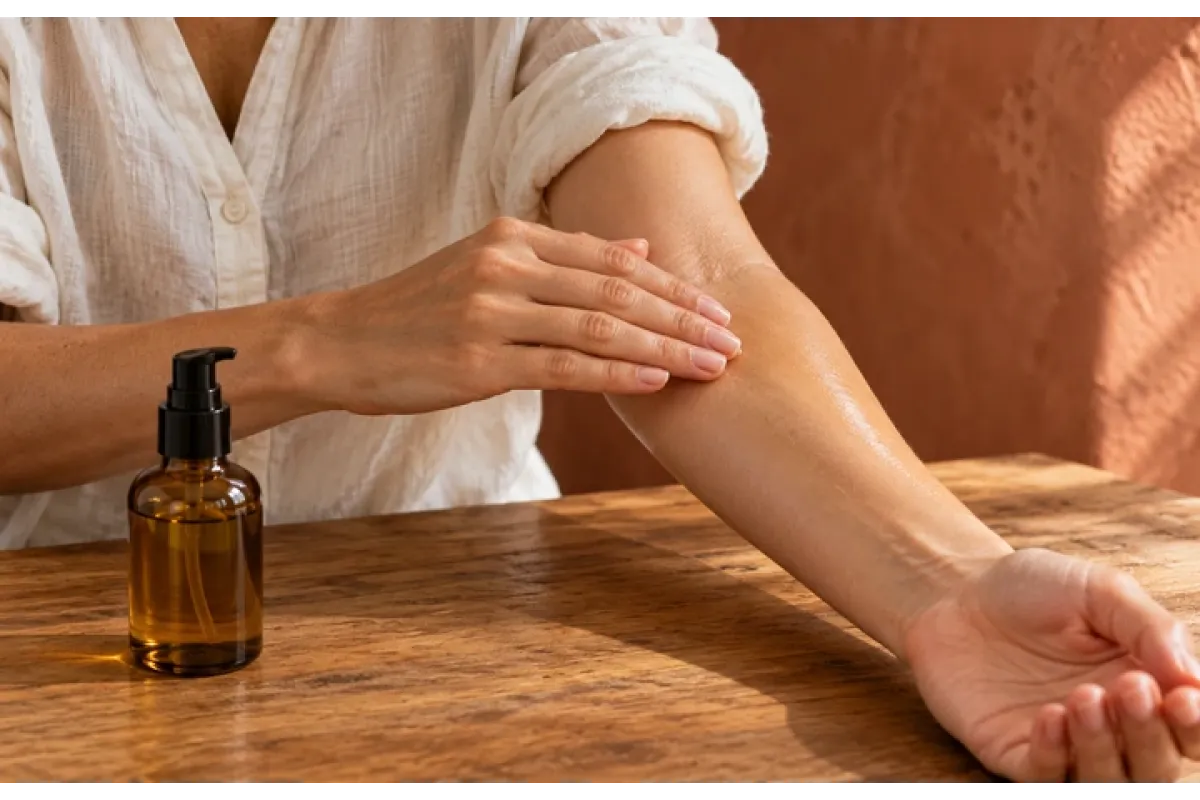
Body oil can leave skin feeling soft and looking gently luminous, yet the same bottle can seem beautifully comfortable one evening and far too greasy the next morning. The difference often lies in the amount, the condition of the skin and how quickly you need to get dressed. Choosing an oil therefore starts with your routine, rather than the most exotic ingredient on the label.
This guide explains the main textures, a practical way to apply them and when a cream still earns its place. The aim is a light, even finish that feels pleasant beyond the first few minutes, without adding steps you will struggle to maintain.
1. What body oil adds to a routine
Oils mainly contribute lipids and a smoothing, softening finish. A conventional water-free oil does not supply the water found in a lotion or cream. These products can therefore feel quite different even when both carry the word “moisturising”. Check the whole formula and the directions: some products sold as oils are two-phase blends or emulsions.
Think about the result you want to notice. For bare legs, you might enjoy a subtle sheen; for a short evening massage, some slip may be welcome. Before putting on a fitted shirt, you may prefer a lighter finish or use your usual cream alone. There is no benefit in buying the richest texture if you dislike how it feels.
2. Understand the texture before choosing
“Dry oil” describes the intended feel, rather than a universal formula or a guarantee of instant absorption. Two products with that wording can behave differently. This comparison offers a useful starting point:
| Format | What to expect | What to check |
|---|---|---|
| Classic body oil | More noticeable glide and shine; convenient for unhurried application. | Whether the remaining film feels comfortable under clothing. |
| Dry-touch oil | A finish designed to feel lighter when spread thinly. | The actual feel on your skin, rather than the name alone. |
| Two-phase oil | Separate layers that are combined before use. | Shaking instructions and whether the formula is leave-on. |
| Body lotion or cream | A water-containing emulsion, with a finish that varies by formula. | Whether it already delivers the comfort you want without another layer. |
Also distinguish leave-on body oil from shower oil, cleansing oil and bath oil. Similar packaging does not make their uses interchangeable. Choose the category first, then compare fragrance, dispensing and texture within it.
3. Apply a small amount, section by section
Follow the product’s directions first. For an ordinary leave-on body oil, try this measured approach and adapt it to the dispenser and your skin:
- Prepare the skin. After washing, pat gently with a towel. Leave the skin slightly damp if the directions allow; it should not be dripping wet.
- Dispense into your palm. Start with a little for one area, such as a forearm. A pump and a dropper deliver different quantities, so avoid a universal “correct” number of drops.
- Spread a thin layer. Warm between your hands and smooth over the area with gentle strokes. Add more only where spreading feels difficult; vigorous rubbing is unnecessary.
- Check before dressing. Give the finish a moment to settle. If the surface remains slippery or transfers easily, use less next time and avoid delicate fabric against it.
Evaluate the skin later as well: does it still feel comfortable, and do you like the finish under your usual clothes? Changing the dose is often more useful than immediately adding a second product. Keep oil off the bathroom floor and rinse any spills promptly.
4. How to combine oil with cream
If a body cream already works well, keep it as your starting point. When you want extra softness or a little sheen, try a very thin oil layer afterwards, perhaps only on the shins or elbows. This is a practical layering option, not a requirement for every body or every season.
Apply products separately rather than pouring oil into a cream jar. Separate layers let you control the amount and keep each product in its original packaging. Do not mix oil into sunscreen: use sun protection according to its own directions, without diluting it.
When the combination feels heavy, reduce the oil or reserve it for evenings. Adding more products is not automatically better care. A comfortable routine you actually repeat is a more useful goal than making every area of skin look glossy.
5. Four things to check before buying
- Fragrance. Decide whether you want a scented body product, especially if you also wear perfume. With reactive dry skin, give fragrance-free options priority.
- The full ingredient list. “Natural” and “botanical” do not guarantee that a formula will suit you. Check known sensitivities and the list on the packaging.
- The dispenser. A controlled pump may suit quick application; a dropper can be convenient for small areas. Consider slippery hands and the shelf where the bottle will stand.
- Your actual use. Choose a size you can reasonably finish within the indicated period after opening. A large bottle is less convenient if you only want occasional sheen.
Introduce one new product at a time and begin on a limited area. Stop if it causes irritation. Persistent itching, cracking or worsening dryness deserves professional advice rather than repeated experiments with richer textures.
6. An example from Wellness Expert
Maria Galland 934 SOURCE D’ÉNERGIE Sublime Bliss Body Oil 100ml is a fragranced body oil listed in the Wellness Expert catalogue. It illustrates the sensory, aromatic side of this category.
Consider it if scent and the application ritual are part of what you enjoy. If you are specifically looking for fragrance-free care, use that preference to narrow your search instead. A pleasant fragrance is a personal buying criterion; it does not establish that a product suits sensitive skin.
Choose according to your preferred finish and the current information on the pack. This example is not a claim that one oil is right for everyone, and its description cannot predict exactly how much your skin will need.
7. Common questions
Can oil completely replace body cream?
Sometimes a simple oil routine feels sufficient, but there is no reason to discard a cream that keeps your skin comfortable. Judge by lasting comfort, not immediate shine. If skin feels tight again soon afterwards, reconsider the whole routine rather than repeatedly increasing the oil.
Does it need to be used every day?
No fixed schedule suits everyone. You can use oil after selected showers, only in the evening or on a few areas. Start with the occasions when you actually want its finish and adjust according to the product instructions and your experience.
Will more oil remove stretch marks or firm the body?
Do not use the amount of oil as a measure of those results. Softness, shine and massage slip are different from changing established stretch marks or body contours. Choose a cosmetic oil for the care and finish you enjoy, without expecting guaranteed structural changes.
8. Build a routine that stays comfortable
Start with one suitable texture, use a small amount and assess it under real clothing. For the washing step, see our guide to tight skin after showering. If exfoliation is part of your routine, the body scrub guide explains how to choose a texture and avoid excessive friction.
References: American Academy of Dermatology: caring for dry skin; Maria Galland Paris: official 934 product information; American Academy of Dermatology: stretch marks and the limits of cosmetic oils.
Mila Serani, Skincare & Beauty Editor at Wellness Expert