
How to cover facial redness with green-tinted cream or CC cream
Friday 13th November 2026
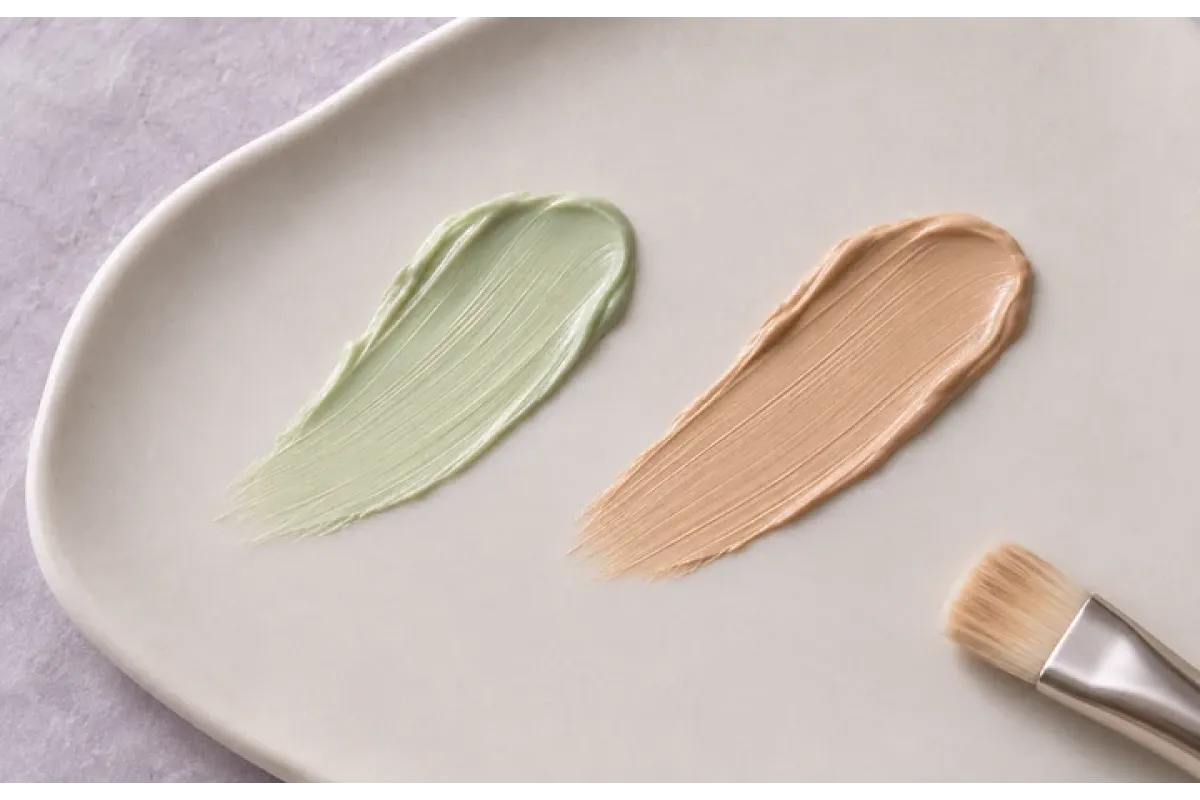
Try a softly green-tinted moisturiser for a mild flush across both cheeks. Choose a shade-matched CC cream if you also want to even out the overall complexion. For one small red mark, spot concealing keeps the coverage where you need it. Before choosing, look at your face in daylight and decide which area you actually want to cover.
The same green cream can look almost invisible on one complexion and leave a grey cast on another. Your skin tone, the strength of the pigment and how far you spread it all affect the result. Start with a thin layer and look again before adding foundation or powder. That first check often tells you whether the next layer will serve a purpose.
Three ways to correct redness
| What you see | Where to start | What to look for |
|---|---|---|
| A light flush across both cheeks | A lightly green-tinted moisturiser | The flush looks softer and your own skin tone still shows through |
| A flush plus uneven colour across cheeks, forehead and chin | A CC cream that matches your skin tone | The coverage blends into the jaw and hairline |
| One red mark or redness next to a nostril | A skin-toned concealer, with a touch of green corrector underneath if needed | The edge disappears while the surrounding skin keeps its colour |
Green pigment can make a red area look less vivid as soon as you apply it. A tinted CC cream adds complexion colour across a wider area, softening differences between the cheeks, forehead and chin. The initials CC tell you little about the actual amount of coverage or how well a shade will match. The American Academy of Dermatology also notes that green-tinted concealer can camouflage redness. American Academy of Dermatology guidance
Two options from Wellness Expert
A moisturiser with a soft green tint
ACM Rosakalm Anti Redness Cream, 40 ml suits shoppers who want to soften diffuse redness while keeping a bare-skin finish. ACM includes green pigments for immediate visual correction and directs users to apply the cream to the whole face once or twice a day. The brand also describes it as a makeup base. Its published ingredient list includes fragrance. If you avoid fragrance, check the list on the pack before you buy. ACM ingredients and directions
A complexion tint for a more even overall colour
Skeyndor Skincare Makeup CC Cream Age Defence SPF30, 40 ml is an option when redness is part of a wider variation in tone. The brand describes it as a colour-correcting makeup base for small differences in complexion colour. Compare the shade at the jawline in daylight, beside the neck. When applying a sheer amount for makeup, start with a separate sunscreen in the amount directed on its label. Skeyndor product and application details · Guidance on choosing sunscreen
How to build a natural-looking layer
- Look at your skin near a window. A warm bathroom bulb can make both green and beige shades look different. Check the cheeks, the sides of your nose and the jawline in the same light.
- Pick one main way to correct the colour. Use a green-tinted moisturiser at the skincare stage according to its directions. Keep spot corrector on small areas. For CC cream, start around the centre of the face and blend the colour towards the edges.
- Give sunscreen time to settle. During the day, apply it after skincare and before makeup. Apply it separately from your corrector and use light touches over it to avoid shifting the layer.
- Add coverage only where it is useful. If one mark shows through your CC cream, tap a little concealer onto the mark itself. Soften the edge with a clean finger or brush.
- Step away from the mirror. It is easy to focus on every speck at close range. At a normal conversation distance you can judge how the finish reads across the whole face.
What to adjust if the finish looks uneven
The cheek looks ashy. Try a smaller amount of green pigment next time. If you are using a concentrated corrector, place it more precisely. Green can show on the surrounding skin when it extends beyond the red area. If the cast persists, test a concealer close to your skin tone in the same light.
There is a line at the jaw. Let a small swatch settle and compare it with the neck. A shade that is too pale or too warm can be noticeable even when applied sparingly. If you are choosing between two shades, compare them side by side on your jaw before buying.
Makeup catches on dry areas. Check how your usual moisturiser feels and how many layers you have applied. Try less makeup on the dry patch the next time. Use gentle strokes when putting it on and taking it off.
How to compare two shades before buying
Ask for a sample or try a tester along the jaw if one is available. Put two narrow swatches next to each other. Start them on the face and blend towards the neck. Let them settle before choosing. A swatch on the hand can tell you how a formula spreads, but the hand often has a different colour from the jaw.
At home, try the new product on one cheek under the same light and keep your usual routine on the other. This makes it easier to see the difference a single thin layer makes. If all you notice is an extra layer of product, try spot concealer next time.
Frequently asked questions
Do I need foundation over green-tinted cream?
You can leave it as it is if the finish looks even and the green is barely visible. With a concentrated green corrector, you may want to blend the edges and add a little skin-toned coverage on top.
Can I wear green corrector and CC cream together?
Yes. During the day, apply skincare and sunscreen first. Tap a little green corrector where redness is strongest, then blend a light layer of CC cream. If the CC cream gives the finish you want on its own, one layer is enough.
What if redness persists or keeps returning?
Colour correction changes the appearance of redness while the product is on the skin. If redness persists, returns regularly or comes with burning, speak with a dermatologist. American Academy of Dermatology information on persistent facial redness
Mila Serani, Skincare & Beauty Editor at Wellness Expert