
Daily facial SPF: how to choose a cream, fluid or tinted sunscreen
Tuesday 06th October 2026
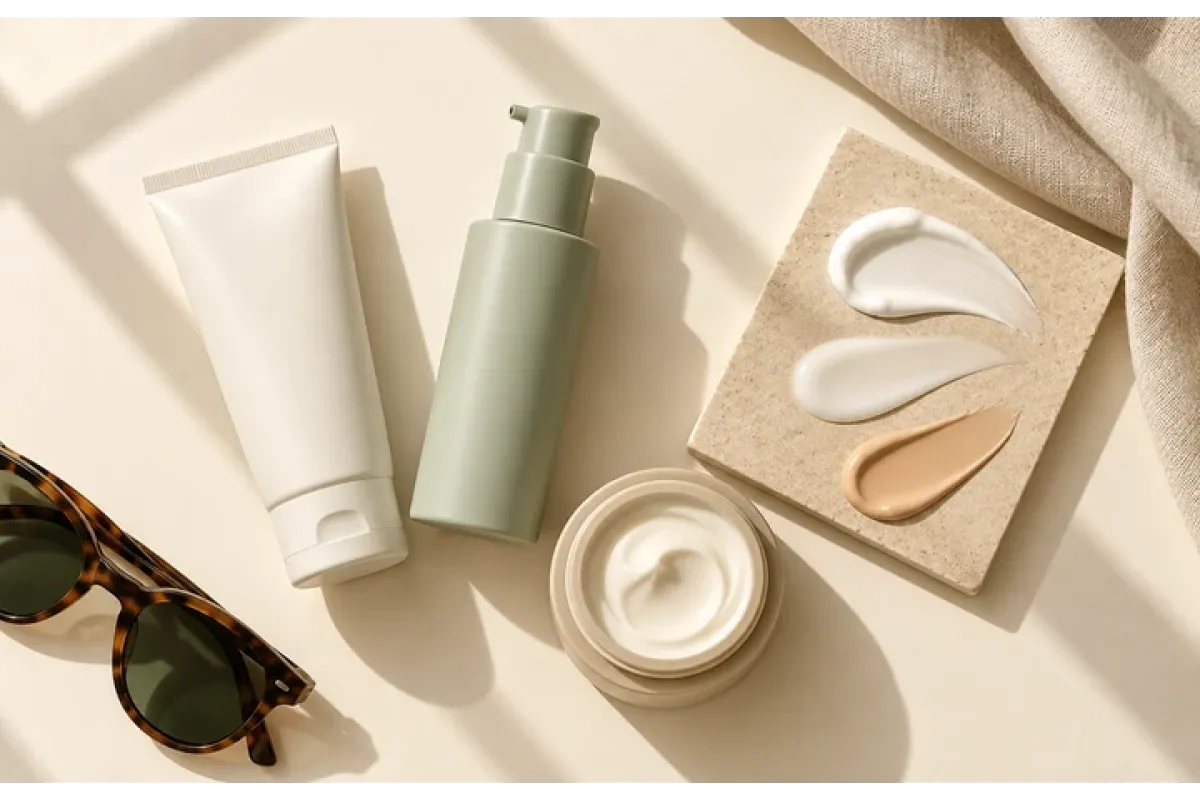
A daily SPF has two jobs: to deliver its labelled protection when applied correctly, and to fit into your life. You may like a formula on paper yet leave it on the shelf because it feels uncomfortable, changes the colour of your face or interferes with makeup. Choose more than a number: consider the format, finish, tint and how you will reapply it.
Mila Serani, Skincare & Beauty Editor at Wellness Expert
Choose the protection before the texture
The starting point is the American Academy of Dermatology recommendation: SPF 30 or higher, UVA/UVB protection and water resistance. Water resistance matters particularly when swimming or sweating. Check these features on the individual pack: the word “day” and a product's placement in a sunscreen category do not establish them.
As the FDA explains, SPF describes sunburn protection, not a number of safe hours in the sun. When comparing SPF 30 and 50, consider the labelled protection, directions and your plans for the day. A higher number does not settle the questions of application and reapplication.
Check UVA protection separately from the SPF number. The European recommendation calls for UVA protection of at least one third of the labelled SPF. This is a useful reference when reading labels, rather than a promise of complete protection from every effect of sunlight.
Cream, fluid or cream gel: which fits your routine?
Cream: when comfort is your priority
If your skin feels dry after morning cleansing and you usually enjoy creamy textures, start your search here. Consider how the product sits on your cheeks and around your nose, whether you like its finish, and whether you need your usual moisturiser underneath. The word “cream” alone does not tell you how rich a formula is. Its description and your experience matter more than the format's name.
Fluid: when you prefer a more flowing formula
A fluid is worth considering if you enjoy a more liquid consistency. Check whether it is easy to measure out a portion, whether the bottle needs shaking, and whether it dispenses too quickly. The name does not guarantee a matte finish, a fragrance-free formula or compatibility with every foundation. Compare the actual product's features rather than relying on the format's reputation.
Cream gel: another option to compare
A cream gel may appeal if a rich cream feels uncomfortable but a runny fluid is awkward to apply. If shine is a concern, look for information about the finish and the intended skin type. If your skin is sensitive, check for ingredients you already know you react to. Texture cannot replace that check or guarantee that everyone will have the same experience.
A practical table for everyday choices
| Your priority | What to consider | What to check before buying |
|---|---|---|
| More comfortable coverage over dry areas | A creamy SPF | Finish, ingredients and whether separate moisturising is needed |
| You dislike a dense texture | A fluid or cream gel | Easy dispensing and comfort when applying a full amount |
| A little evening out of skin tone | A tinted SPF | Shade, coverage and how it looks along the jawline |
| A walk, exercise or travel is planned | Suitable labelled protection in convenient packaging | UVA/UVB, SPF, water resistance and reapplication instructions |
Use the table as a starting point. Combination skin, for example, does not oblige you to buy the thinnest product: comfort on dry cheeks matters alongside its behaviour in the T-zone. A good purchase matches how you will use it, as well as the name of your skin type.
Three examples from Wellness Expert
- Ainhoa Skin Primers Anti-Age Facial Fluid SPF50, 50 ml is described in the shop as a light fluid with UVA/UVB protection for all skin types. Include it in your comparison if you are looking for an untinted, flowing format. The words Anti-Age do not remove the need to check the directions and assess how it feels when applied.
- Anna Lotan Lightening Care Ultra Light Cream Gel SPF50+, 50 ml is a cream-gel example presented in the shop as an ultra-light formula with antioxidants. Compare it with a fluid if you want to explore two lighter textures. The line name Lightening Care does not mean that a sunscreen will remove pigmentation on its own.
- Anna Lotan Greens Camellia Tinted Day Cream SPF30+, 70 ml is a lightly tinted day cream with UVA/UVB protection. It offers an example of a format combining skincare with a more even-looking complexion. Check the shade in daylight: suitable coverage and a good colour match matter more than an appealing name.
These examples illustrate different formats; they do not need to be used together. A product page helps narrow the choice, while the directions on your own pack govern application. Do not assume water resistance or the absence of fragrance unless these are confirmed for that particular version.
Tinted SPF needs to work as both protection and colour
A tinted product can be convenient when you want to skip separate foundation or keep makeup lighter. However, assess its shade at the amount required for protection. If a full application looks too dark, too heavy or too obvious, applying less to improve the finish is a poor way to make it fit. Consider another shade or an untinted SPF with separate makeup instead.
SPF numbers do not add together: Cancer Council Australia explains that SPF 20 moisturiser plus SPF 10 foundation does not make SPF 30. Assess each formula by its own label. A BB cream and a sunscreen may look similar, but their intended use, required amount and application directions still need separate checking.
How to fit SPF into skincare and makeup
In its general skincare sequence, AAD places makeup after moisturising and sunscreen. Follow the directions for your chosen SPF. Do not mix it with moisturiser or foundation in your palm to change the texture or colour: the original label does not describe that homemade mixture.
Allow the applied layer to settle before makeup, and avoid repeatedly rubbing the same area. There is no universal waiting time for every formula. If you see little rolls of product, note the step at which they appear. Research into skincare pilling links it with skin characteristics, formulations and application. One ingredient alone is not enough to declare two products incompatible.
When looking for a cause, change one thing at a time: try a simpler routine beneath SPF, a different foundation, or a gentler application. If the sunscreen pills when used on its own, consider another sunscreen option. Do not make a smaller SPF portion your permanent solution. Our guide to the order of morning and evening skincare explains the wider sequence.
A full application and reapplication during the day
Spread the product evenly, allowing for exposed neck and ears. Cancer Council's guide suggests about a teaspoon for an adult's face, neck and ears; the area covered and product directions matter. One tiny dot is not a substitute for a full application.
AAD recommends applying sunscreen about 15 minutes before going outdoors. While it settles, you can get dressed or do your hair. Plan this step ahead, particularly when mornings are rushed.
Outdoors, reapply approximately every two hours and after swimming or sweating, following the directions, as reflected in FDA guidance. Makeup does not remove that need. If applying enough over makeup is awkward, plan a simpler makeup look for a long walk. A hat, sunglasses and shade complement your sunscreen.
A short check before buying
- Define the situation. An ordinary day, a long walk and exercise may call for different features and packaging.
- Read the label. Check SPF, UVA/UVB, water resistance where needed, and application directions.
- Compare texture and shade. Assess a full application alongside your usual skincare.
- Plan reapplication. Choose packaging you can carry and use when it is needed.
A well-chosen daily SPF combines suitable protection with convenient use. A finish you enjoy helps you use it regularly, while clear directions help you apply it properly.