
Dark Circles, Puffiness or Fine Lines: How to Choose Eye Care
Tuesday 29th September 2026
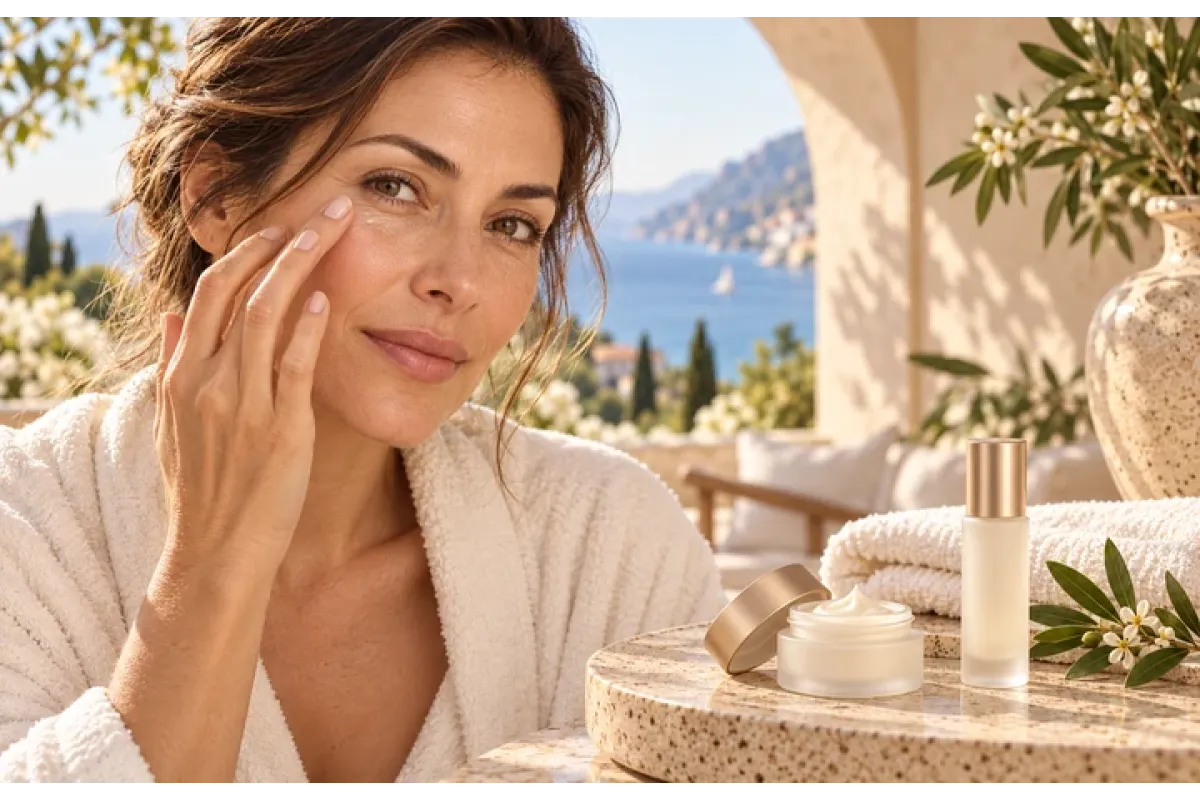
An eye cream may promise a fresher look, smoother skin or fewer visible signs of tiredness. Yet “tired eyes” can mean several different things: dry skin that makes concealer settle into lines, a darker under-eye area, or puffiness that changes throughout the day. Before choosing a product, decide which of these matters most to you. This makes it easier to compare formulas and set a realistic goal.
By Mila Serani, Skincare & Beauty Editor at Wellness Expert
Start with one main concern
Dryness and fine lines
If the skin feels tight or makeup emphasises tiny lines, begin by considering hydration and comfort. A moisturiser can make fine lines look less noticeable, as the American Academy of Dermatology explains. That does not mean every expression line is caused by dryness. When comparing products, ask whether you want a light daytime finish or more cushioning care for skin that feels dry later in the day.
Dark circles
Dark circles can involve pigmentation, visible vessels, shadows from facial contours, or a combination. These different causes are discussed in a clinical review of under-eye circles and a systematic review of treatments.
For shopping, the useful consequence is simple: the phrase “for dark circles” is a starting point, not a promise that one cream will solve every type. Read what the product actually aims to improve. A luminous finish, an immediate tint and a longer-term skincare claim are different benefits. Consider a concealer separately if your immediate priority is coverage.
Puffiness and persistent bags
Under-eye bags may reflect tissue changes as well as fluid accumulation; Mayo Clinic describes this distinction. Avoid assuming that all fullness below the eyes needs the same cosmetic response.
Notice whether the appearance varies or remains similar from morning to evening. This observation helps you describe your concern, but it is not a diagnosis. When considering a product marketed for puffiness, look for a clearly stated cosmetic aim rather than interpreting it as a treatment for persistent swelling.
A practical selection table
| Your priority | What to consider | What to check |
|---|---|---|
| Dryness and fine lines that look worse under makeup | A hydrating eye cream or gel-cream | Comfort after absorption and compatibility with your makeup |
| A dull-looking or darker eye area | Eye care with a stated radiance or dark-circle focus | Whether the effect is optical, skincare-based or both |
| Puffiness that changes during the day | A light eye product with a puffiness-related cosmetic claim | Application directions and the limits of the claim |
| Dryness alongside more visible lines | A more nourishing eye cream | A texture you find comfortable, rather than richness alone |
Several concerns may coexist. Choose one priority for your first purchase instead of starting with a cream, serum and patches all at once. This also makes it easier to tell which product you like using.
Cream, gel, serum or patches?
Formats for everyday use
A gel or gel-cream is worth considering when you prefer a light feel. A cream may be more pleasant if you want a cushioned finish. An eye serum can offer a fluid texture, but its name alone says nothing about whether a cream must go on top: check the directions. These are practical texture choices, not a ranking of effectiveness.
Look at the whole formula and intended use. Humectants such as glycerin or hyaluronic acid, emollients and other ingredients have roles within the formula; a highlighted ingredient cannot tell you everything about the finished product. If caffeine, peptides or a botanical extract catches your attention, still check the texture, application and specific claims.
Masks and patches as an optional step
An eye mask or patches can be a convenient occasional ritual. They do not automatically replace daily care. Keep to the stated contact time and removal instructions; longer wear is not a reliable way to improve the result. Whether the product should be rinsed off or the remaining essence left on depends on its directions.
Do you always need a separate eye cream?
An extra jar is not automatically necessary. Compare the instructions for your existing moisturiser with the needs of the eye area. If the manufacturer permits use there and the product is comfortable for you, it may already meet a simple moisturising need. A dedicated eye product is useful when you want a different texture, targeted cosmetic claims or application guidance for that area.
Do not move a strong facial exfoliant or active serum closer to the eyes simply because it works elsewhere. “Ophthalmologically tested” or “for sensitive skin” is useful information, but does not guarantee individual tolerance. If this area often reacts, seek advice before trying another complex routine.
Examples from the Wellness Expert catalogue
These four products illustrate different choices. Their purposes below follow the shop descriptions; they are not a ranking or a recommendation to buy all four.
- Darphin Hydraskin Infusion Eye Gel-Cream — a light gel-cream option with a hydration focus.
- Filorga Optim-Eyes 3in1 Eye Contour Cream — eye care targeting the appearance of dark circles, puffiness and fine lines.
- Gatineau Age Benefit Integral Regenerating Eye Cream — a nourishing cream option for visible lines.
- Filorga Optim-Eyes Eye Sheet Mask — an occasional mask format with a hydration and tired-looking-eye focus.
Start by comparing the daily textures. Add a mask only if you want that extra step. Read the current packaging before use, particularly where to apply the product and whether it is intended for the eyelids.
Application matters as much as the choice
- Remove makeup gently. Use a cleanser suitable for the eye area without vigorous rubbing, then apply care to clean skin.
- Begin with the stated amount. There is no universal dose for every cream or dispenser. A thick layer can complicate makeup application.
- Follow the placement instructions. Keep cosmetics out of the eye and away from its inner rim. Apply to the movable eyelid only if the product specifically allows it.
- Spread without pulling. Use gentle contact. An applicator is an optional tool; pressure and vigorous massage are unnecessary.
- Check the finish before makeup. Let the product settle. If concealer pills, test a smaller amount and fewer layers rather than immediately adding another product.
Judge results with a realistic comparison
Use similar lighting and the same makeup conditions when comparing the appearance of your eye area. Comfort and texture are everyday criteria; changes in visible lines or tone need assessment over the period the manufacturer specifies. Adding several new products makes that comparison harder. Persistent stinging, watering or irritation is a reason to stop using the product rather than continue until an advertised deadline.
Keep expectations specific: a more comfortable skin feel, a finish that works under makeup, or an improvement in the appearance the product addresses. Skincare, optical correction and medical treatment have different purposes.
When product selection should wait
Vision changes or pain in the eye need urgent medical advice: see the NHS guidance. Worsening changes beneath only one eye also warrant professional advice, according to Mayo Clinic's dark-circle guidance.
For everyday shopping, a clear brief is enough: one main concern, a comfortable texture, suitable application instructions and realistic expectations. A well-chosen product should fit into your routine without turning care for a small area into a long list of steps.