
Foot cream: how to choose care for dry and rough skin
Wednesday 14th October 2026
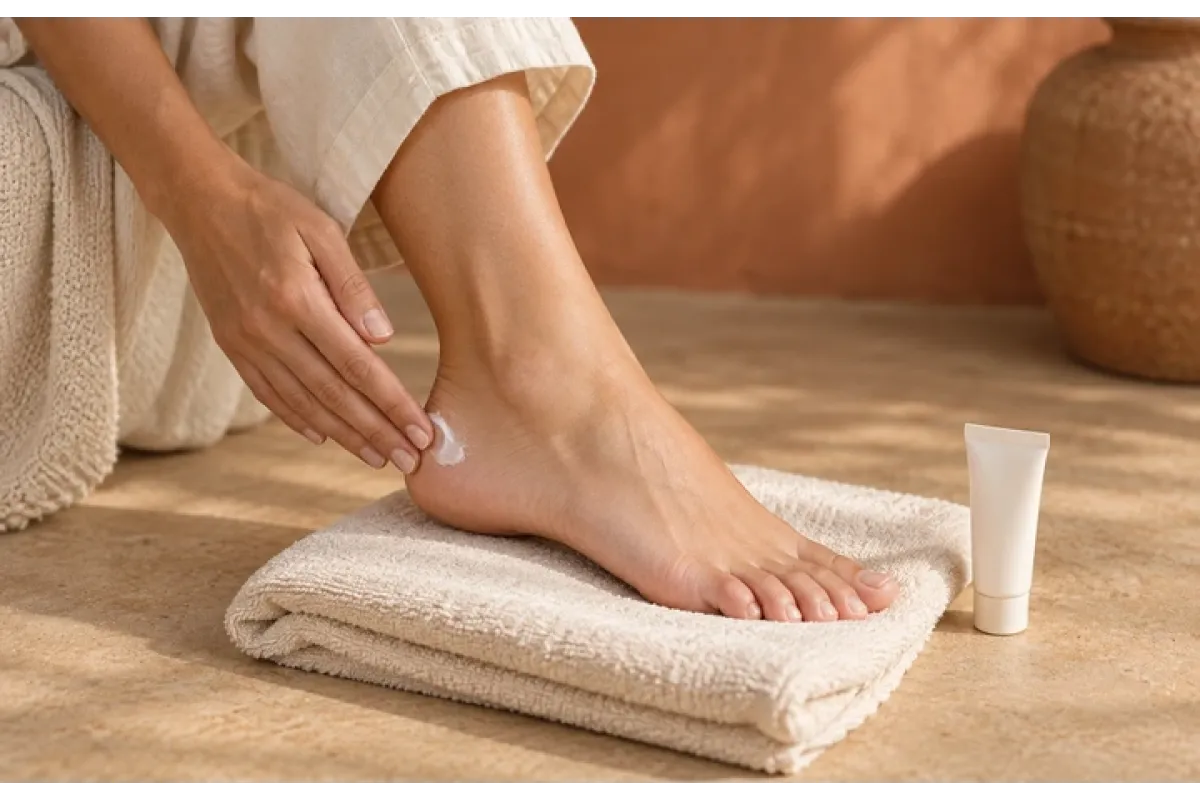
Face cream often sits where we can see it, while foot care is remembered just before a pedicure or when heels start catching on fabric. As closed shoes return in autumn, soft skin and a fresh feeling both become appealing. Yet one product may not address both needs: a moisturising cream, a product for thickened skin and a refreshing spray serve different purposes.
Choosing becomes easier once you decide what result matters most. This guide covers everyday care for intact, dry or rough skin on the feet, compares formats and looks at Histomer and Herôme creams available at Wellness Expert. A practical collection starts with one clearly chosen product that is convenient to use regularly.
1. Dryness, roughness or freshness: identify your priority
Your skin feels dry and you want softness
If dryness and uncomfortable tightness are your main concerns, start with a cream described as moisturising and softening for feet. Consider where you need it: heels, soles or the tops of your feet. Then think about application time. In the morning, a convenient texture before putting on shoes matters; in the evening, you may prefer a richer option.
Your heels feel thicker and rougher
When roughness is the issue, look for a product with a stated purpose for thickened skin. The words “for feet” alone do not establish that function. Read the directions and restrictions before buying. An everyday cream and a professional pedicure softener may appear in the same shop category while requiring very different approaches.
You want a fresh feeling inside shoes
Choose refreshing sprays, deodorants or products for perspiration according to their separate stated uses. A strong scent or cooling sensation does not tell you how well a product moisturises. If you want both softness and freshness, write them down as two needs. This clarifies the reason for each bottle and avoids buying several similar products at random.
2. How the main formats differ
Look at purpose first, then texture and packaging. The words “cream” and “balm” do not define a standard richness across all brands. One balm may spread more easily than another cream. The description of the individual product and how conveniently it fits your day matter more.
| Format | Main reason to choose it | What to check |
|---|---|---|
| Moisturising foot cream | Regular care for dryness and a softer feel | Application areas, frequency and feel afterwards |
| Smoothing cream for thickened skin | Care for rough areas within its stated purpose | Instructions, restrictions and suitability for home use |
| Rich cream or balm | A fuller texture, perhaps for evening care | Application time and ease of spreading |
| Refreshing spray or deodorant | Freshness and odour control as described | Specific purpose, fragrance and suitable areas |
You do not need all four formats. If one cream addresses your main need, begin with it. An extra product makes sense when it has a clear separate job, rather than simply a different name on the packaging.
3. Urea and other ingredients: read the full description
The American Academy of Dermatology includes moisturising creams containing urea among options for dry heels. On packaging, the ingredient is often listed as Urea. However, selecting by one ingredient name is impractical: consider the purpose and instructions of the whole formula.
If the manufacturer states a concentration, consider it alongside the intended use. When no percentage is given, do not try to calculate it from the cream's name. A higher number alone does not establish suitability for your daily care. For comparisons, write down where and how each product is meant to be used.
The same approach applies to plant extracts, oils and references to professional origins. An appealing ingredient name does not explain texture, dose or application time. Check the current packaging information before ordering, especially if a cosmetic ingredient has previously caused an unwanted reaction.
4. Shop examples: Histomer and Herôme
Histomer Doctor Baxter P-2 Anti-Dryness Foot Cream, 100 ml is a starting point for comparing care for dryness. The corresponding Histomer description lists 10% urea and a purpose for dry, rough feet. Consider it for that purpose, then assess the directions and convenience of the texture.
Histomer Doctor Baxter P-1 Anti-Callus Foot Cream, 100 ml has a different main purpose. The brand describes a cream with 20% urea for softening and smoothing thickened skin. Compare it with P-2 according to your needs, rather than treating the numbering as a scale of strength or compulsory steps.
Herôme Chapped Skin Foot Cream, 150 ml offers a rich-care option. The manufacturer presents it for dry foot skin and favours evening application. It may interest people whose schedules suit that format. One selected cream is enough to start getting to know a product.
These examples illustrate different directions for choosing. They are not a treatment plan and do not promise identical results for everyone. Check the purpose and ingredients of your particular pack before use: a brand description does not replace your product's own instructions.
5. A simple sequence at home
Guy’s and St Thomas’ NHS advises drying between toes, keeping cream out of those spaces and letting it absorb before walking. These details are easy to overlook when care means a quick application just before going out.
- Choose a convenient time. Attach foot care to an existing habit, such as your evening shower. Allow time for application according to the instructions.
- Prepare skin as directed. Check whether dry skin is required and which areas should be treated. Do not transfer one product's rules to every other format.
- Apply your selected cream. Follow the recommended amount and spreading method. Start with one product so you can assess its feel.
- Make the routine repeatable. Follow the frequency given for your product. A small, convenient ritual is easier to maintain than a complicated collection of steps.
If dryness also affects other body areas, our guide to cleansing and moisturising after a shower may help. Still check the specific instructions for your chosen foot product: establishing a general habit and following an individual application method are separate considerations.
6. Do you need a scrub or peel immediately?
When buying a first foot cream, it is tempting to add a scrub, file and exfoliating socks to the basket. A whole category of products does not make every step compulsory. First identify what is missing from your chosen care. Perhaps the problem is infrequent use or a texture that feels inconvenient.
If you decide to add an exfoliating product, assess it separately: is it for home use, should it be rinsed off, how long is it used and for which skin? Do not give all formats the same frequency. A large professional product does not become a home treatment simply because it can be ordered online.
Seek a doctor or foot-care professional for painful cracks, wounds, persistent itching or other concerning changes. Choosing more intensive cosmetics is insufficient in that situation. If you already have individual medical advice, follow it when selecting care.
7. How to assess your purchase in practice
Do not compare a cream applied once with one used regularly. Note how often you used the product, where and at what time. This helps assess the practical side of care and understand why one tube gets finished while another remains untouched.
- Convenience: is it easy to dispense the amount you need and spread it over the stated areas?
- Feel: is the texture comfortable, do you like the fragrance and is there any unwanted reaction?
- Consistency: can you use it as instructed without continually postponing the step?
You do not need to tolerate marked burning or irritation for a promised result. Stop using a product that causes that reaction and obtain professional advice if symptoms persist. Sensations alone do not allow you to diagnose the cause of skin changes.
8. A short checklist before ordering
- One main need: moisturising, care for thickened skin or freshness.
- Clear purpose: a home-use format with instructions for your intended areas.
- Convenient texture: something suited to your morning or evening, with an acceptable fragrance.
- Sensible size: a pack you will use regularly after opening.
Our article on cosmetic shelf life and PAO provides a reminder about storage and time after opening. Begin with a suitable cream and a simple schedule. When a specific extra need arises, choosing a second product and understanding what it should add will be easier.
Mila Serani, Skincare & Beauty Editor at Wellness Expert